In today’s world, early childhood education is not merely a stepping stone to formal schooling but a critical foundation for long-term success. Toddler preschools lay the groundwork for a child’s educational journey, offering tailored experiences that cater to their unique developmental needs. Unlike traditional educational settings, preschool programs for toddlers are uniquely designed to combine structured learning with the freedom of play, fostering both cognitive and emotional growth in young children.
1. What Skills Are Developed at Toddler Preschools?
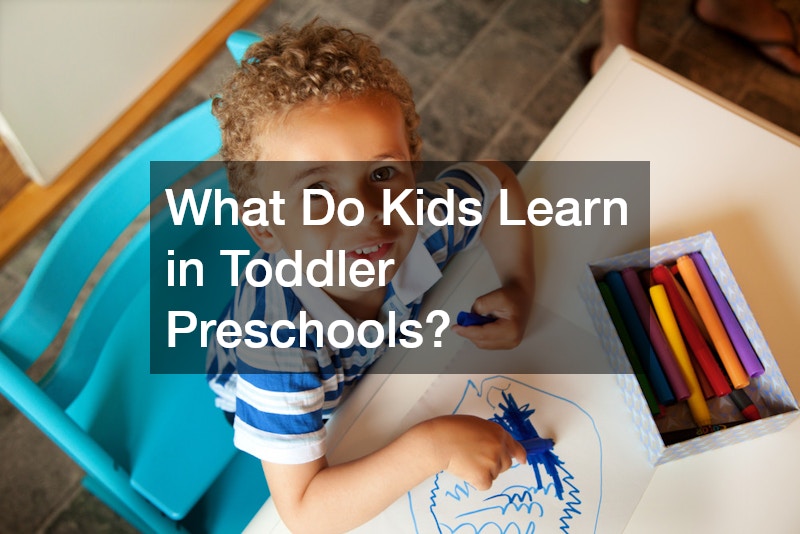
The skill development in toddler preschools extends beyond the basic ABCs and numbers, focusing instead on holistic growth. Social skills are a pivotal component, as toddlers learn to interact with peers, share resources, and understand the nuances of cooperative play, which inherently teaches conflict resolution and empathy. Simultaneously, fine and gross motor skills are honed through activities like painting, building blocks, and outdoor play that require precision and physical coordination.
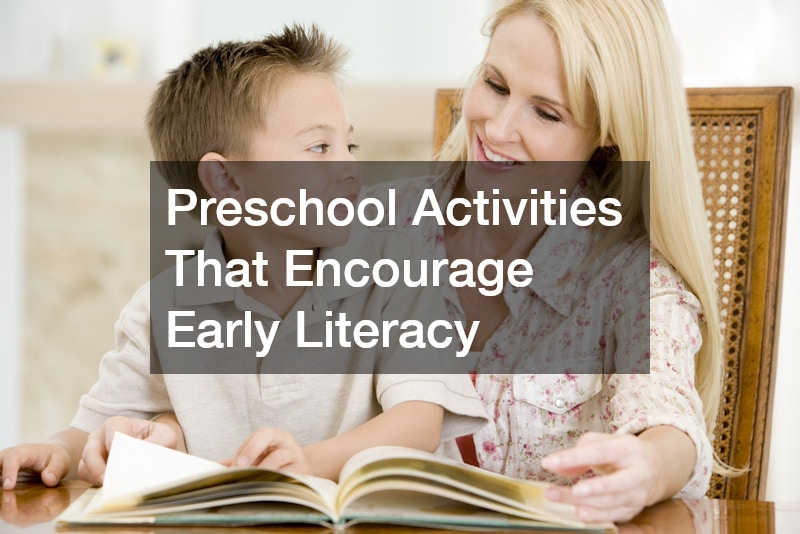
Cognitive skills are cultivated through activities that challenge toddlers to think independently and solve problems. This could include simple puzzles, matching games, or teacher-led storytelling sessions that encourage imagination. Language development is also a key focus, as toddlers expand their vocabulary through interaction with teachers and classmates, participating in songs, and engaging in narrative-heavy activities.
Emotional skills, often less tangible but equally significant, are nurtured through a supportive environment where toddlers learn to express themselves and manage emotions. Teachers play a crucial role by modeling emotional regulation and providing strategies for handling frustration and excitement. Over time, children in preschool settings develop self-confidence and resilience, which are essential skills for the challenges of later life stages.
2. How Do Toddler Preschools Promote Learning Through Play?
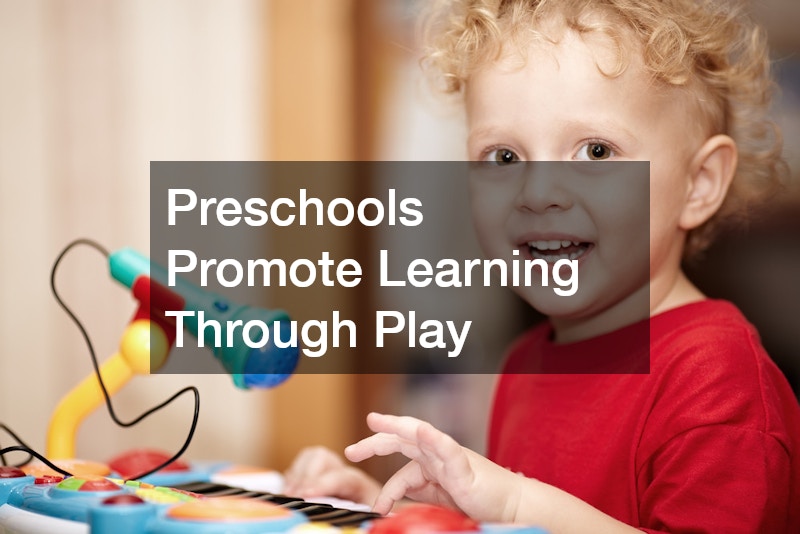
Toddler preschools embrace the philosophy that play is a powerful vehicle for learning, blending educational objectives with child-driven exploration. Play-based learning allows toddlers to explore new concepts at their own pace, supported by an environment that encourages curiosity. Structured activities, such as guided play stations, introduce concepts in numeracy and literacy while leaving room for innovation and problem-solving.
During play, children can experiment with different social roles and scenarios, learning to appreciate diverse perspectives. This type of social play is often structured with prompts and subtle guidance from educators who help facilitate interactions to ensure both fun and learning. Moreover, through collaborative play, toddlers learn the art of negotiation, patience, and the realization that teamwork often leads to greater rewards.
Physical play is another critical element, offering numerous opportunities for developing motor skills and spatial awareness. Through climbing, running, and group games, children also learn about perseverance, risk-taking, and the joy of achieving personal goals. Ultimately, play serves as a multifaceted tool in toddler preschools that enhances learning, cooperation, and self-discovery.
3. What Is the Daily Routine in a Toddler Preschool?
A well-structured daily routine in toddler preschools provides a balance of predictability and variety, crucial for managing young children’s energy and attention spans. Typically, the day starts with circle time, where children gather to share news, listen to stories, and sing songs, setting a positive tone for the day. This is often followed by periods of free play, both indoors and outdoors, allowing children to explore and engage with various learning stations at their own pace.
Midday usually brings a focus on individual or small group learning activities, such as arts and crafts, science exploration, and themed projects directly related to their curriculum. Snack and meal times are important routines that teach not just independence and self-care but also the value of community through shared eating experiences. Rest periods or naps are also integral, helping children recharge and process their morning learnings in a safe and quiet environment.
Afternoons often encompass larger group activities like music, dance, or exercise, enabling the release of pent-up energy and fostering a sense of unity among classmates. Teachers meticulously plan these routines to strike a balance between active learning and rest, ensuring that each child’s needs are met throughout the day. These structured routines help toddlers feel secure and foster a love for learning, setting a strong foundation for future educational pursuits.
4. How Do Preschools Cater to Individual Learning Styles?
Toddler preschools recognize that each child is unique, bringing their own strengths, learning styles, and pace to the educational environment. Teachers are trained to observe and understand each child’s preferred methods of engagement, adapting their teaching strategies to align with various learning modalities. Visual learners might be engaged through picture books and hands-on activities, while auditory learners could benefit from instructions and discussions.
Furthermore, kinesthetic learners thrive in settings that provide ample opportunities for movement and tactile experiences. By rotating different types of play and learning stations, preschools ensure that every child has access to activities that suit their preferred learning style at any given moment. This individualized approach supports a more inclusive learning environment, where each child feels valued and capable of achieving personal milestones.
Regular communication with parents and caregivers also plays a crucial role in understanding the child’s learning preferences and any challenges they may face. Through collaborative relationships with families, teachers can adjust their methods and provide tailored support that reinforces the child’s growth both at school and at home. Ultimately, by catering to individual learning styles, preschools lay a foundation for lifelong learning success and personal fulfillment.
5. What Qualifications Should Preschool Teachers Have?
Preschool teachers play a pivotal role in shaping the experiences and development of young children, hence requiring specific qualifications and attributes. Most preschools mandate that teachers have at least an associate or bachelor’s degree in early childhood education, ensuring they have a solid understanding of developmental theories and practices. This educational background equips teachers with the necessary skills to design curriculums that address all areas of child development.
Additionally, effective preschool teachers possess strong communication and interpersonal skills, allowing them to connect with children, parents, and colleagues. A nurturing attitude, patience, and creativity are also critical traits that enable teachers to create vibrant, engaging learning environments. Many preschools also require certifications in first aid and child welfare, underscoring their commitment to safety and well-being.
Ongoing professional development is essential for teachers to stay updated on educational techniques and child psychology advancements. Whether through workshops, seminars, or additional coursework, these opportunities help teachers refine their skills and introduce innovative approaches to their classrooms. By maintaining high standards for teacher qualifications, toddler preschools ensure that educators are well-equipped to meet the diverse needs of their students, fostering a successful learning experience.
The holistic benefits of toddler preschools are manifold, providing young children with the essential tools they need to navigate their educational and social landscapes. By focusing on a comprehensive approach—nurturing social, cognitive, emotional, and physical development—toddler preschools create a supportive environment where children can flourish. The lifelong impact of these early educational experiences cannot be overstated, as children carry the skills, confidence, and love for learning cultivated in preschool with them throughout their lives.