Helping children develop strong reading and communication skills starts long before they enter kindergarten. Preschool environments play a major role in introducing early literacy through fun, engaging, and age-appropriate activities. Many families turn to early learning centers because they offer structured opportunities for children to explore language while still learning through play.
Storytime That Builds Listening Skills
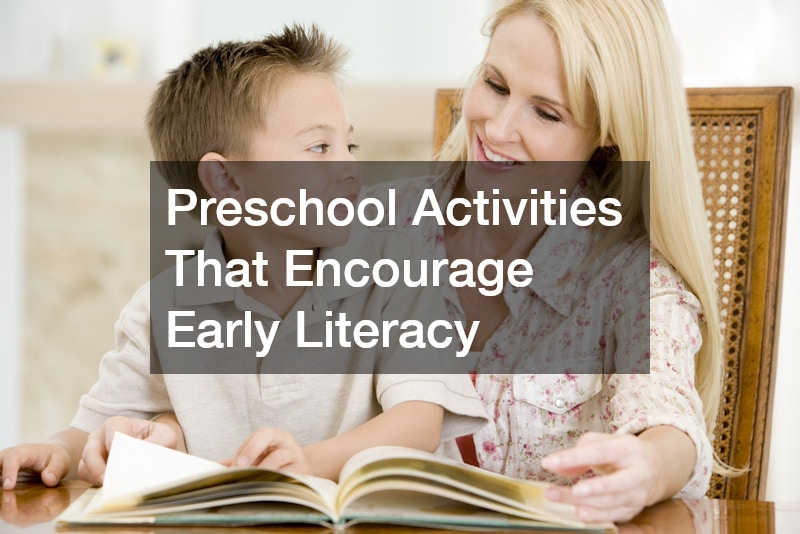
Reading aloud is one of the most effective ways to introduce children to language. During story time, children learn how words sound, how sentences are structured, and how stories flow from beginning to end.
Early learning centers often make story time interactive by asking questions and encouraging children to predict what happens next.
Creative Play That Encourages Expression
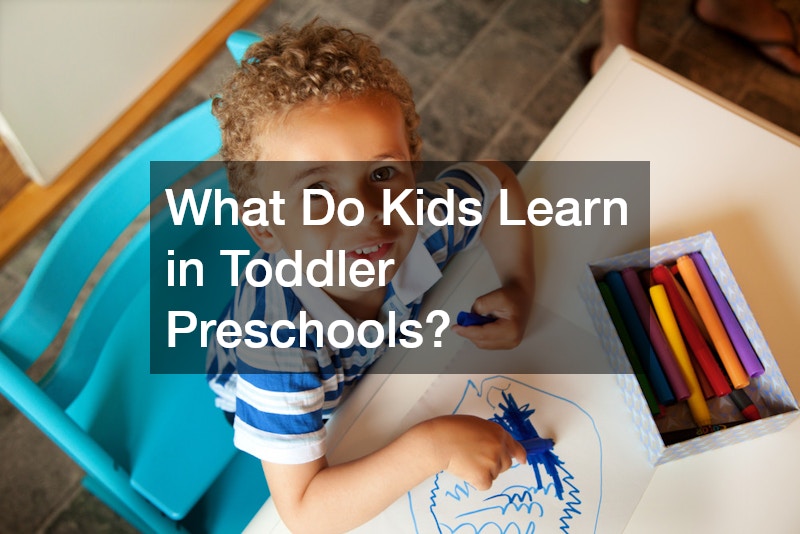
Activities like drawing, painting, and pretend play allow children to express their thoughts and ideas. As they describe their artwork or act out stories, they practice using new vocabulary and forming sentences. These experiences help build confidence while strengthening communication skills in a natural, enjoyable way.
Music and Rhymes for Phonemic Awareness
Songs, rhymes, and rhythm-based games help children recognize sounds within words. This skill, known as phonemic awareness, is essential for learning how to read. Early learning centers often incorporate music into daily routines to make learning sounds both memorable and fun.
Group Activities That Promote Conversation
Working and playing with peers encourages children to listen, respond, and engage in conversations. Whether it’s during group games, snack time, or collaborative projects, these moments help children practice language in real-life situations. According to Census Bureau data, a third of young children — or 6.7 million — receive care from a nonrelative on a regular basis, including 4.8 million children who attend an organized preschool or daycare facility, showing how common these social learning environments are.
Hands-On Learning With Letters and Words
Introducing letters through hands-on activities like puzzles, flashcards, and matching games helps children connect symbols with sounds. These activities make early reading concepts easier to understand and more engaging. Early learning centers use a variety of tools to keep children interested while reinforcing foundational literacy skills.
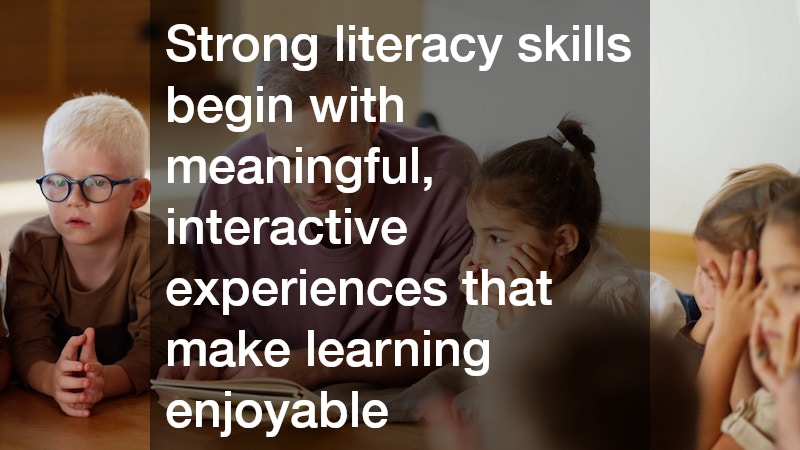
Strong literacy skills begin with meaningful, interactive experiences that make learning enjoyable. From story time and music to creative play and group interaction, preschool activities help children build the foundation they need for future success. Private preschools create a supportive environment where young learners can explore language, develop confidence, and grow through engaging early education experiences.