
Early age education lays the essential groundwork for a child’s lifelong intellectual, emotional, and social development. During the first few years of life, the human brain undergoes a period of explosive growth, forming neural connections at a rate that will never be repeated. Providing stimulating environments and deliberate educational experiences during this critical window shapes how a child learns, interacts with others, and solves problems throughout their adolescent and adult years.
Parents and caregivers often wonder when formal learning should begin and what format it should take. The reality is that learning starts at birth, and structured early childhood programs offer structured play, language-rich interactions, and essential social routines. Investing time and thought into these initial educational choices creates a resilient scaffolding for future academic success and emotional well-being.
Cognitive and Intellectual Growth
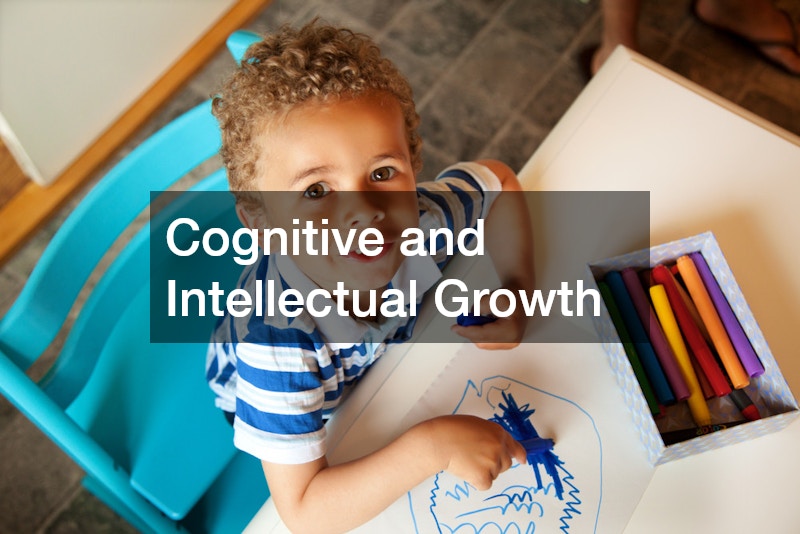
The early years are marked by rapid brain growth, often referred to as a period of heightened neuroplasticity. Children absorb information from their environments with remarkable speed, making it the ideal time to introduce foundational concepts in literacy, numeracy, and critical thinking. Early childhood environments designed around active exploration allow young learners to grasp abstract concepts through hands-on experience, fostering a natural curiosity that drives self-motivated learning later in life.
Introduce Interactive Storytelling and Reading Routines
To maximize cognitive development at home or in the classroom, set aside at least twenty minutes each day for active, shared reading. Rather than simply reading the words on the page, ask open-ended questions about the pictures, encourage prediction of what happens next, and connect the story’s events to the child’s daily experiences. This practice builds vocabulary, improves comprehension, and develops critical analytical skills before formal schooling even begins.
Incorporate Math and Logic into Daily Play
Mathematical thinking can be seamlessly integrated into everyday activities without relying on repetitive flashcards. Encourage young children to sort toys by color, count steps while walking up the stairs, or measure ingredients using plastic cups while helping in the kitchen. Pointing out spatial relationships, shapes, and patterns in nature helps children develop spatial awareness and numerical confidence naturally and without pressure.
Foster Problem Solving Through Unstructured Exploration
Provide children with open-ended materials such as wooden blocks, clay, water, or simple cardboard boxes to stimulate spatial reasoning and engineering concepts. Resisting the urge to immediately intervene when a child encounters a barrier encourages resilience and independent thinking. Instead of offering solutions, ask guiding questions that prompt the child to test different strategies until they reach their goal.
Language Acquisition and Communication
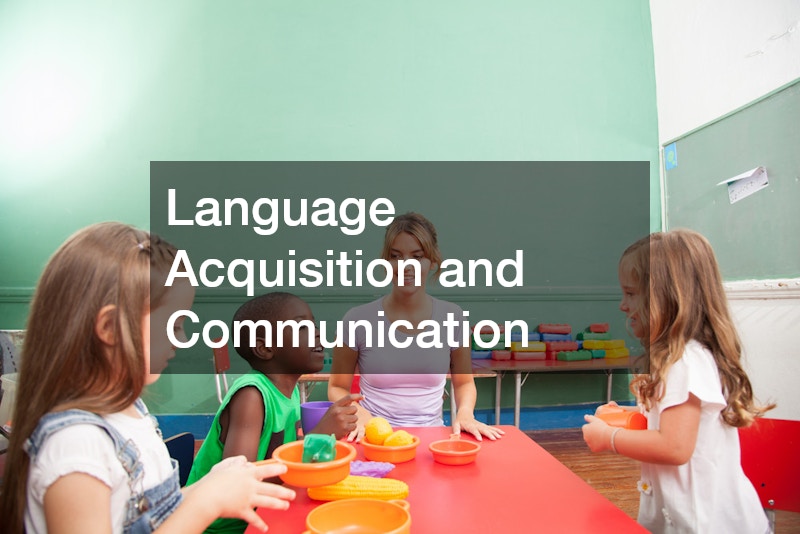
Language development is one of the most visible milestones in early childhood. Early exposure to rich vocabulary and varied language structures enhances communication abilities, which in turn boosts reading comprehension and social integration. Young brains are uniquely wired to decipher linguistic patterns, making the early years the optimal window for language learning and communication mastery.
Practice Active Conversational Turns
Engage in back-and-forth dialogue with young children, giving them ample time to formulate and express their thoughts. Repeat what they say while expanding on their words to introduce more complex grammatical structures and descriptive vocabulary. This consistent verbal feedback loop validates their communication efforts and accelerates language mastery.
Expose Young Learners to Multiple Languages
Introduce secondary language exposure through songs, stories, and native-speaking educators early in a child’s life. Programs like Spanish immersion programs for children take advantage of a young child’s innate ability to process phonemes and grammar rules effortlessly. Early language exposure not only builds bilingual fluency but also enhances executive function, memory, and cognitive flexibility across all areas of learning.
Social and Emotional Learning
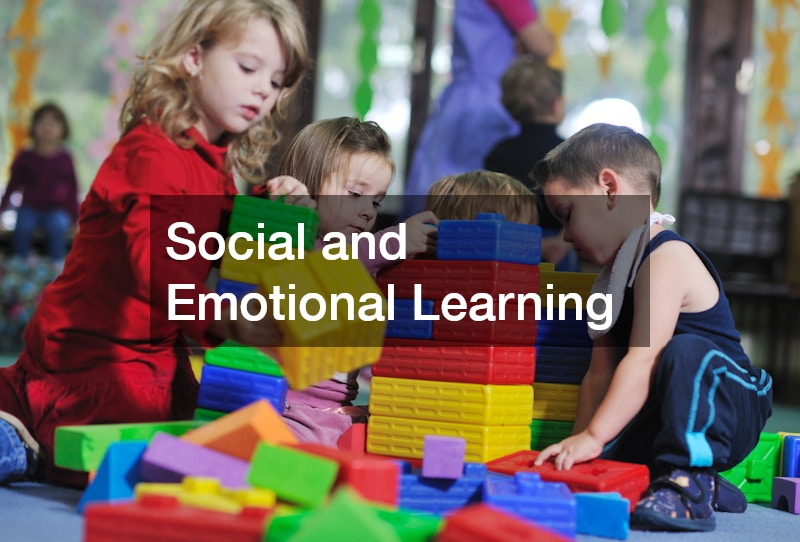
Education in the early years is far more than academic preparation; it is the primary venue where children learn to navigate complex human relationships. Social-emotional intelligence includes understanding one’s own feelings, developing empathy for others, managing impulses, and working collaboratively. Children who develop strong social-emotional competencies early in life show higher resilience, better relationship management, and lower stress levels in academic settings.
Model and Name Complex Emotions
Help children build an emotional vocabulary by naming feelings as they arise during the day. When a child experiences frustration or sadness, validate their emotional state while helping them put words to their internal experience. Demonstrating calm, empathetic responses teaches children how to self-regulate when faced with challenging feelings or social conflicts.
Design Structured Group Activities
Organize opportunities for cooperative play where young learners must share resources, take turns, and work toward a common goal. Group projects, playdates, and team games teach children how to negotiate, listen to peers, and appreciate diverse perspectives. Enrolling a toddler in a preschool provides a structured environment where these essential social skills are practiced daily under expert guidance.
Establish Predictable Daily Routines
Young children thrive when their environment feels safe and predictable, which reduces anxiety and supports self-regulation. Create visual schedules using simple icons that outline the day’s events, including meals, play, learning time, and rest. Consistent routines help children transition smoothly between activities and build a sense of independence as they anticipate what comes next.
Selecting the Right Early Learning Environment
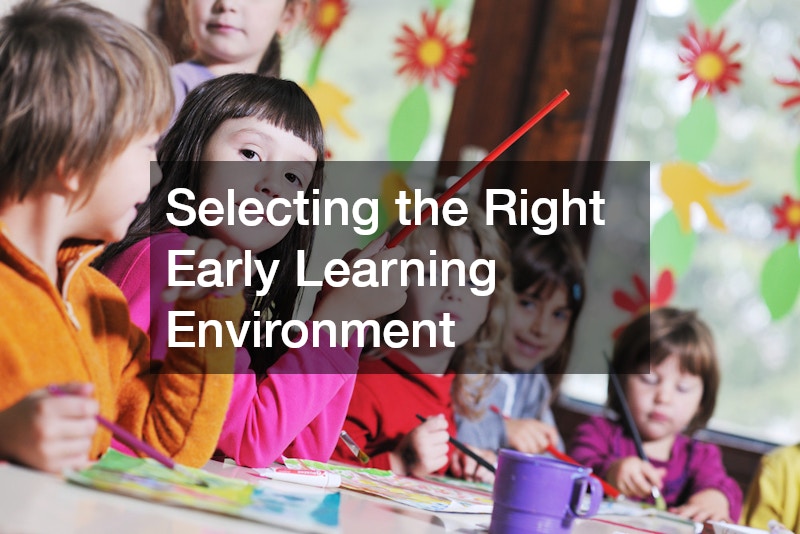
Choosing an early educational environment is one of the most critical decisions a family can make. The setting should align with the family’s values, support the child’s individual learning style, and offer a safe, enriching atmosphere. Parents must evaluate various factors, including staff qualifications, facility safety, curriculum structure, and the overall philosophical approach to childhood development.
Inspect Facilities for Safety and Hygiene
When evaluating potential learning facilities, prioritize clean, secure environments that maintain low teacher-to-child ratios. Observing how caregivers handle sanitation, emergency protocols, and child supervision during a site visit gives valuable insights into the quality of care. Families seeking infant care must ensure that a daycare center for infants strictly follows safe sleep guidelines, individualized feeding schedules, and sensory-rich interactions.
Evaluate the Philosophical and Pedagogical Approach
Research the educational philosophies employed by different programs, such as Montessori, Reggio Emilia, play-based, or faith-based frameworks. Consider whether your child thrives in structured, teacher-led environments or open-ended, child-initiated settings. For many families, partnering with a local church offers a supportive community environment that integrates character development alongside early academics.
Assess Physical Space and Outdoor Learning Opportunities
Prioritize programs that provide generous, well-designed outdoor play areas and physical activity spaces. Outdoor play is vital for gross motor development, sensory integration, and mental well-being. Look for facilities with varied play terrain, natural elements, and age-appropriate equipment that encourage active, physical exploration every day.
The Impact of Early Childhood Professionals
The quality of an early education program depends largely on the skills, empathy, and dedication of its educators. Early childhood teachers do far more than supervise; they design learning experiences, assess developmental progress, and offer emotional support. Professional development and adequate resources for teachers directly translate into better outcomes for young learners.
Foster Open Communication Between Home and School
Establish daily check-ins with your child’s educators to stay informed about their developmental progress, social interactions, and daily routines. Share relevant updates about home life that might affect your child’s behavior or mood during the day. Consistent, open communication ensures that parents and teachers work together as a unified team to support the child.
Support Continuous Educator Professional Development
Encourage and support institutions that invest in ongoing training for their teaching staff. Well-trained educators stay up to date on early brain research, classroom management techniques, and inclusive teaching strategies. When educators are supported with professional resources, they create more engaging, dynamic, and effective learning environments.
Administrative and Operational Excellence in Early Education
Behind every successful early education center is an efficient administrative structure that keeps operations running smoothly. Modern educational institutions rely on streamlined management tools to track developmental milestones, handle logistics, communicate with parents, and maintain safety standards. Efficient administrative systems free up educators to focus their energy where it matters most: on the children.
Implement Integrated Digital Management Systems
Modern educational facilities utilize a centralized school student management system to maintain student records, track attendance, log developmental milestones, and manage parent billing. Utilizing a single digital platform eliminates paperwork delays and keeps crucial health and contact information instantly accessible to authorized staff.
Streamline Parent Communication Channels
Adopt user-friendly mobile applications and portals that allow teachers to send updates, real-time activity notifications, and photos directly to parents. Consistent digital updates give parents peace of mind and build trust between families and staff throughout the workday.
Organize Automated Attendance and Safety Tracking
Implement secure digital check-in and check-out procedures to ensure that only authorized individuals can drop off and pick up children. Automated tracking of precise arrival and departure times enhances facility security and ensures accurate staff-to-child ratios at all times.
The Financial and Social Value of Early Education
Investing in high-quality early childhood programs yields long-term dividends for individual families and society as a whole. Longitudinal studies consistently demonstrate that children who receive quality early education achieve higher academic success, complete higher levels of education, and enjoy greater career stability. Beyond academic achievements, early education fosters social cohesion, reduces societal intervention costs, and strengthens communities.
Plan and Budget Early for Quality Programs
High-quality early care can represent a significant household expense, making advance planning and financial budgeting essential. Research early childhood options early, explore potential employer subsidies, and consider options like a structured daycare center for infants to balance financial costs with quality educational outcomes.
Evaluate the Long-Term Benefits of Private Institutions
When exploring primary education options, families often weigh the personalized attention and specialized programs offered by non-public institutions. Considering the advantages of private school can help parents evaluate smaller class sizes, specialized curricula, and dedicated facilities that suit their child’s specific needs.
Research Specialized Primary School Offerings
As children reach kindergarten age, families must select primary environments that sustain early academic momentum. Enrolling a child in a private elementary school often grants access to enriched arts programs, advanced STEM facilities, and tailored learning tracks that support individual growth.
Integrating Faith, Values, and Character Education
For many families, early education extends beyond academic and social development to include moral and spiritual growth. Integrating core values, character building, and faith-based lessons into daily activities helps young children develop a strong moral compass. Character-focused early education encourages kindness, honesty, accountability, and respect for others from a young age.
Model Value-Based Behaviors in Everyday Scenarios
Children learn values primarily by observing the adults around them. Model empathy, honesty, gratitude, and patience in daily family interactions, and explain the reasons behind moral choices. When children see consistent alignment between words and actions, they internalize these positive behavioral standards.
Utilize Faith-Based Frameworks for Moral Development
For families seeking to combine spiritual growth with academics, programs offering Christian education provide a framework that weaves moral instruction into daily learning. Faith-aligned environments use stories, community service projects, and shared values to teach personal responsibility, compassion, and community care.
Engage in Community Service Projects Together
Involve young children in age-appropriate volunteer work and community support initiatives, such as collecting food donations or creating cards for seniors. Simple acts of service help children develop empathy, gratitude, and an appreciation for community responsibility beyond their immediate circle.
Adapting to Individual Learning Needs
Every child develops at their own unique pace, with distinct strengths, preferences, and challenges. Early childhood educators and parents must remain observant, flexible, and responsive to individual developmental timelines. Identifying unique learning styles or developmental delays early enables timely interventions that keep children on track.
Differentiate Learning Activities Based on Interest
Pay close attention to what naturally captures a child’s interest—whether it is building structures, drawing, listening to music, or physical movement. Tailor educational activities around these natural preferences to make learning engaging and enjoyable. A child fascinated by animals can practice counting, reading, and motor skills through animal-themed games and tasks.
Provide Multi-Sensory Learning Experiences
Young children process information best when multiple senses are engaged simultaneously. Combine visual cues, auditory instructions, and tactile manipulation in educational activities to accommodate different learning styles. Multi-sensory learning helps solidify concepts in memory and supports children with diverse learning needs.
Monitor Milestones Without Unnecessary Comparison
Track developmental milestones thoughtfully while acknowledging that natural variations in child development are completely normal. Avoid comparing a child’s progress directly to peers or siblings, as this can create unnecessary pressure. If genuine developmental delays arise, consult with pediatricians and early intervention specialists promptly to access appropriate support services.
Supporting Working Families Through Quality Programs
Modern working families require reliable, high-quality care options that balance professional demands with their children’s developmental needs. Quality early learning programs serve a dual purpose: supporting children’s brain development while providing parents with peace of mind during work hours.
Leverage Flexible Care Options
Explore varied care arrangements that balance household schedules, budget, and child developmental needs. Utilizing professional childcare services allows parents to maintain career commitments, knowing their children are in safe, nurturing, and instructionally rich environments.
Create Smooth Transitions Between Home and Care Facilities
Establish calming drop-off and pick-up routines to help young children feel secure when transitioning between home and care settings. Brief, affectionate farewells combined with reassuring promises of return build trust and minimize separation anxiety over time.
Coordinate Consistent Standards Across Environments
Maintain alignment between strategies used at home and in care facilities regarding discipline, mealtime routines, and sleep habits. Consistent expectations across all settings prevent child confusion and reinforce positive habits effectively.
Early childhood education forms the essential foundation for a person’s lifelong journey of learning, personal growth, and societal integration. By providing rich language environments, nurturing social-emotional intelligence, supporting early educators, and selecting thoughtful care options, parents and communities set young learners up for lasting success. Investing time, thought, and resources into these formative years gives children the confidence, curiosity, and skills needed to thrive in an ever-changing world.