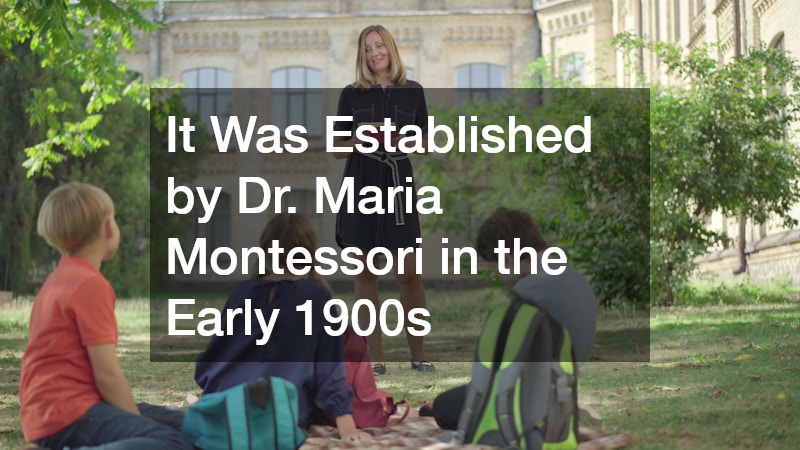
Montessori schools have gained significant popularity in recent years, as parents seek innovative educational environments that foster their children’s natural love for learning. Established by Dr. Maria Montessori in the early 1900s, this educational approach emphasizes the development of a child’s independence, curiosity, and self-discipline. Unlike traditional classrooms that often rely on standard curricula and rote memorization, Montessori schools offer a hands-on, child-centered learning experience.
This blog post delves into the unique attributes of Montessori education, highlighting how it stands apart from conventional schooling.
One of the most distinctive features of Montessori schools is their commitment to individualized learning. In a Montessori classroom, children are encouraged to explore subjects that interest them at their own pace. The environment is specifically designed to allow for self-directed learning, where students select their activities and determine their focus areas. This approach respects and nurtures a child’s unique learning style and rhythm, leading to higher levels of engagement and motivation. As children take ownership of their learning journey, they develop a sense of responsibility and become lifelong learners, which is a vital skill in today’s rapidly changing world.
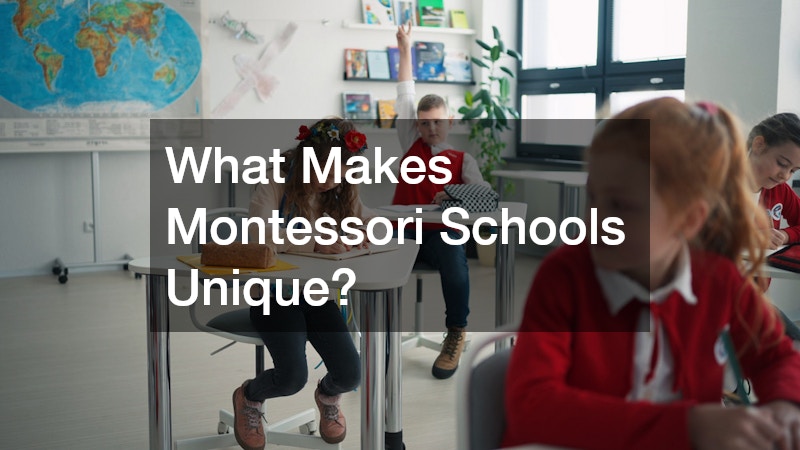
The physical layout of Montessori classrooms significantly differentiates them from traditional schools. Montessori classrooms are typically equipped with a variety of learning materials specifically designed to be accessible and engaging. These materials, which can include tactile objects for sensory learning, foster hands-on experiences that stimulate cognitive development. Additionally, the classroom space is arranged to promote collaboration; children are encouraged to work together, share ideas, and even teach one another. This collaborative environment nurtures social skills and helps children learn the value of teamwork, providing them with essential tools for future success.
The role of the teacher in Montessori schools is also distinct from that in conventional educational setups. Instead of being the primary source of knowledge and instruction, Montessori teachers act as guides or facilitators. They observe each child to understand their individual needs and interests, providing support and resources as necessary. This teacher-student dynamic fosters a warm and trusting environment, allowing children to feel comfortable exploring their own interests without the fear of failure. With this model, teachers can better adapt the learning experience to fit each child’s unique journey, promoting a more effective and meaningful educational experience.
Another unique aspect of Montessori education is its emphasis on mixed-age classrooms. Unlike traditional schools where children are grouped strictly by age or grade, Montessori classrooms often include children of varying ages. This structure promotes peer learning, where older students can mentor younger ones while simultaneously reinforcing their own knowledge. Additionally, children in mixed-age settings develop social skills and empathy as they interact with peers at different developmental stages. This experience encourages a sense of community and support, helping children to build confidence and respect for one another in a collaborative learning environment that transcends age boundaries.
Furthermore, Montessori education places a strong emphasis on practical life skills alongside academic development. While academic subjects are woven into the curriculum, there is a significant focus on teaching children how to manage daily tasks and responsibilities effectively. Activities such as cooking, gardening, and caring for the classroom environment help students cultivate essential skills they will use throughout their lives. By integrating these practical life experiences with academic learning, Montessori schools ensure that children are well-rounded individuals ready to navigate the complexities of the world. This focus not only enriches a child’s education but also fosters valuable life skills that contribute to their overall development.
In conclusion, Montessori schools offer a unique educational experience that prioritizes the individual needs and interests of each child. With their focus on personalized learning, innovative classroom design, and the supportive role of teachers, these schools create an environment where children can thrive academically and socially. The benefits of mixed-age classrooms, along with practical life skills instruction, further distinguish the Montessori approach and prepare children for success in an increasingly complex world. As more parents seek educational alternatives that foster independence and a love for learning, Montessori schools continue to shine as a compelling choice in the landscape of modern education.