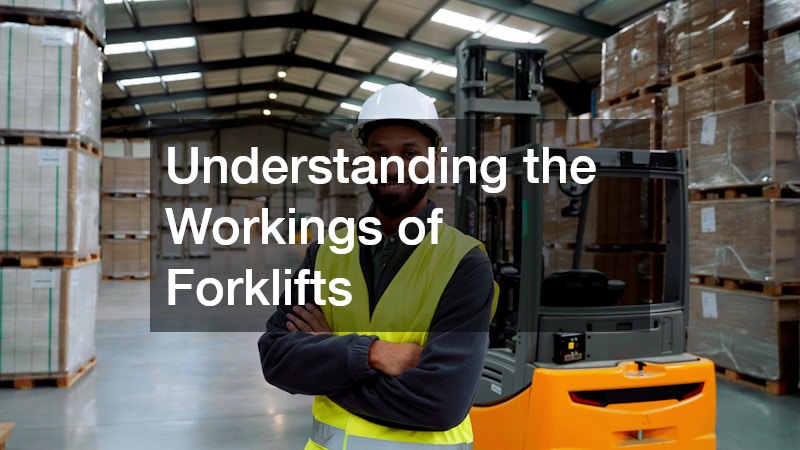
Forklifts are indispensable machines in the realm of material handling and logistics. These powerful vehicles are designed to lift and transport heavy loads efficiently across short distances, making them crucial in warehouses, construction sites, and manufacturing facilities. The basic premise of a forklift is simple: it balances the weight of a load with a counterbalance at the rear, enabling safe lifting and transport.
While forklifts come in various shapes and sizes, their core function remains consistent – to streamline the movement of goods and materials. From palletized goods to bulky containers, forklifts play a vital role in maintaining the flow of operations across numerous industries.
The invention of the forklift was a game-changer in industrial operations, revolutionizing how goods are moved and handled. With the rise of large-scale manufacturing and shipping, the need for a mechanized means to transport heavy items grew. Over the decades, forklifts have evolved significantly, integrating advanced features such as computerized controls and enhanced safety mechanisms. Today, businesses rely heavily on forklifts to optimize their workflow and minimize manual labor. Understanding the mechanics and capabilities of forklifts is essential for those working in relevant sectors, ensuring safety and efficiency in material handling.
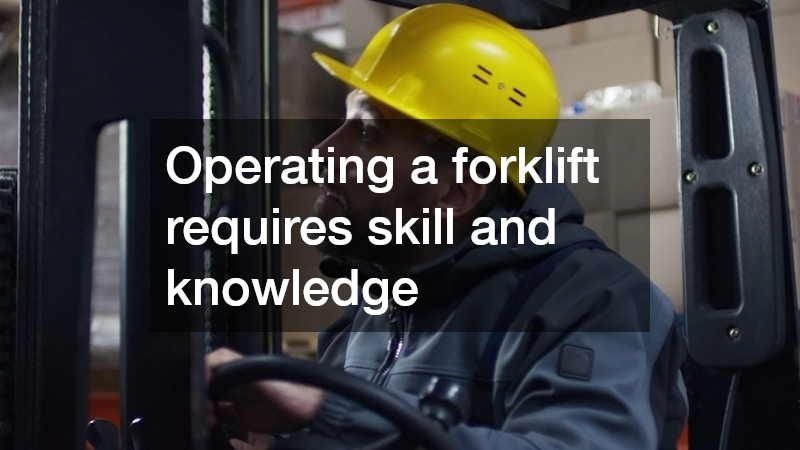
Operating a forklift requires skill and knowledge, as these machines can be dangerous if mishandled. Forklift operators must undergo training and certification to ensure they can safely maneuver these vehicles in different environments. Safety standards and best practices play a critical role in forklift operations, aiming to prevent accidents and injuries. Familiarizing oneself with forklift components, such as the mast, carriage, and forks, is crucial for effective operation. Beyond understanding how these machines work, operators must be vigilant and adhere to safety protocols at all times.
The Mechanics of Forklifts
At the heart of every forklift is a complex interplay of mechanical systems that work in harmony to lift and move loads. A forklift’s power is derived from its engine, which can be either electric or internal combustion, depending on the specific model and intended use. Electric forklifts are favored for indoor use due to their quieter operation and lack of emissions, while combustion forklifts, powered by diesel or propane, are better suited for outdoor tasks. The choice between electric and combustion forklifts is often dictated by the environment and the nature of the tasks at hand. Each type of engine has its benefits and trade-offs, influencing operational considerations.
The lifting mechanism of a forklift is a marvel of engineering, designed to safely elevate loads of varying weight and size. The mast, a vertical assembly at the front of the forklift, controls the elevation and angle of the forks. Hydraulic systems provide the necessary force for lifting and lowering actions, allowing precise control over the load’s height. An important aspect of forklift operation is the stability triangle, a concept that describes how the center of gravity is maintained to prevent tipping. Successful navigation of this stability dynamic is vital for safely maneuvering with loads, especially in tight or crowded spaces.
Forklifts are equipped with a range of features to enhance their functionality and ensure operator safety. Key components include the counterweight, positioned at the rear, which helps balance the heavy loads being carried at the front. Additional safety features may include overhead guards to protect operators from falling objects, as well as seat belts and flashing lights for visibility. Modern forklifts may also incorporate electronic control systems that provide diagnostics and enhance precision during operation. For businesses, staying informed about the latest forklift technology and innovations can lead to improved safety outcomes and operational efficiency.
Operational Considerations
When it comes to operating forklifts, several considerations ensure both efficiency and safety in the workplace. Proper training and certification for operators are non-negotiable, as the complexity and power of forklifts demand a high level of competence. Operators must have a thorough understanding of load dynamics, including how weight distributions affect balance and maneuverability. Regular maintenance checks are also essential, as forklifts are subject to wear and tear given their demanding roles. Ensuring that brakes, hydraulics, and other critical components are in top condition prevents accidents and prolongs the lifespan of the machinery.
Site management must prioritize creating a safe environment for forklift operations. This involves clear demarcation of pathways, awareness of hazards such as uneven surfaces, and adherence to weight limits when stacking goods. Communication between forklift operators and other staff members in the vicinity is crucial to preventing collisions and mishaps. Companies often establish strict protocols outlining how forklifts should be used, reinforced by regular training sessions and safety drills. Emphasizing a culture of safety and accountability helps mitigate risks and fosters a safer workplace atmosphere.
The importance of understanding forklifts cannot be overstated. From their mechanical components to their operational usage, forklifts are integral to effective material handling and logistics management. Ensuring that staff are trained and that equipment is well-maintained can lead to safer, more efficient operations. As industries continue to evolve, forklifts will remain a vital part of the toolkit, underpinning the movement and storage of goods in an ever-changing landscape.