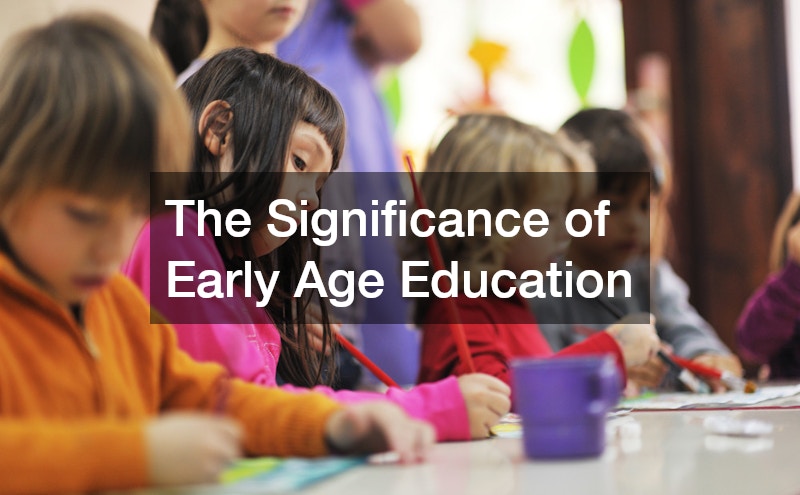
Education is not a static destination reached at graduation, but rather a dynamic, evolving journey that unfolds across every stage of a young person’s life. From the first tentative steps in early childhood care to the complex intellectual demands of higher education and personal adulthood, learning shapes character, intellect, and practical capability. Parents, educators, and mentors play an instrumental role in shaping this educational arc. By understanding the unique developmental needs of each phase, adults can foster environments that nurture curiosity, resilience, and critical thinking.
Supporting a student requires more than simply monitoring homework or attending parent-teacher conferences. It demands a holistic strategy that balances academic instruction, physical movement, creative expression, health maintenance, and emotional maturity. As children progress through toddlership, early childhood, primary school, middle school, and high school, their learning requirements change dramatically. A well-rounded education integrates institutional learning with community-based activities and life skills training, ensuring that young adults emerge as self-reliant, compassionate, and capable individuals ready to navigate a complex world.
The Foundational Years of Early Childhood
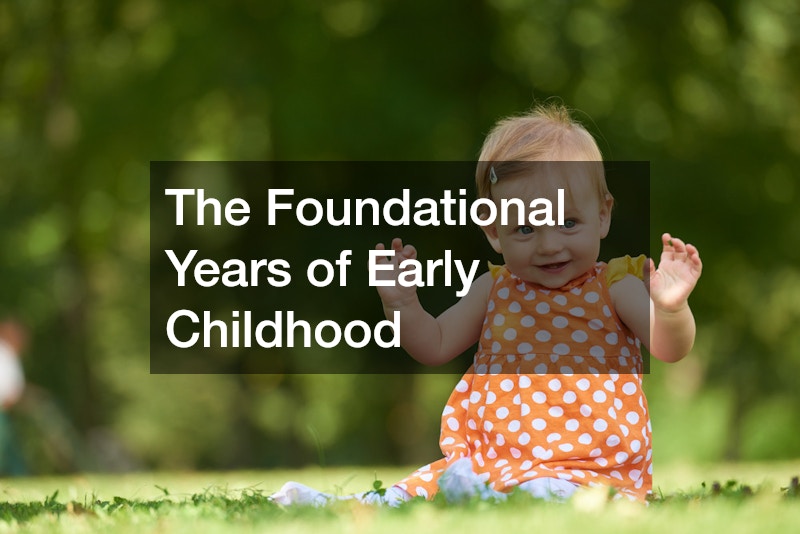
The first few years of life set the blueprint for cognitive, social, and physical growth. During infancy and toddlership, the brain forms millions of new neural connections every second, making early experiences immensely impactful. Early childhood education centers on sensory exploration, language acquisition, and fundamental motor coordination. Creating a safe, stimulating, and rich environment during these years encourages children to view the world with curiosity and trust.
When selecting early childhood programs, families often look for structured environments that promote social interaction alongside fundamental literacy and numeracy skills. Enrolling a toddler in the best day care available in your area ensures that they receive nurturing supervision, proper nutrition, and guided play designed to develop emotional regulation. Early childhood settings teach children how to share, communicate desires, and manage frustration in group settings.
Physical confidence and motor skill refinement are equally important during these early years. Enrolling young children in a local gymnastics program helps them develop spatial awareness, core balance, and physical agility through structured play and safe equipment exploration. Movement exercises build neurological pathways that enhance concentration, body control, and confidence in physical abilities.
Nurturing Social and Emotional Milestones
- Establish predictable daily routines that provide security while offering opportunities for free choices and creative play.
- Model calm conflict resolution strategies during peer interactions to teach emotional management.
- Read aloud daily using interactive storybooks to expand vocabulary and build auditory comprehension.
- Create multi-sensory play stations involving water, sand, blocks, and modeling clay to refine fine motor control.
Prioritizing Health and Hygiene Education
Early childhood is the ideal window to establish lifelong habits regarding health, nutrition, and personal hygiene. Parents and caregivers should incorporate daily instruction on tooth brushing, hand washing, and healthy food choices into normal routines. Accessing affordable dental care during early development helps prevent early childhood caries, monitors jaw alignment, and instills positive feelings about health maintenance. When health habits are normalized early, children develop bodily autonomy and self-care routines that protect their physical well-being throughout their school years.
Primary Education and Core Academic Foundations
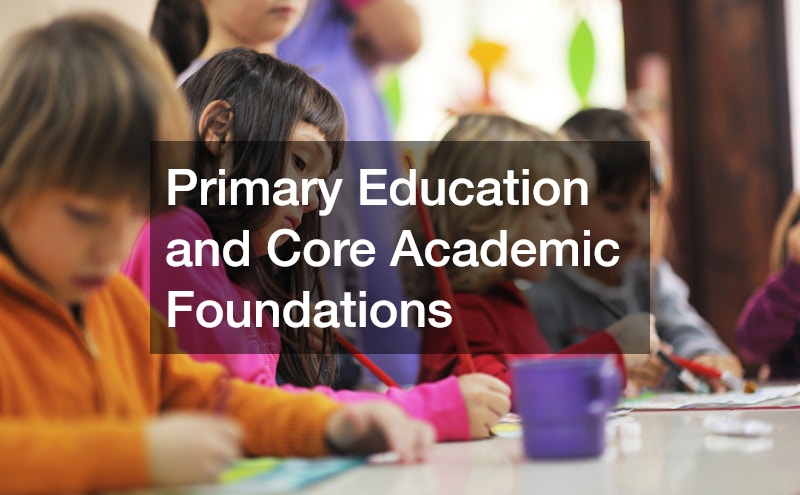
As children enter primary or elementary school, the focus of education shifts toward foundational academic competencies. Reading, writing, mathematical reasoning, and basic scientific principles take center stage. This stage marks a transition from intuitive play-based learning to structured, goal-oriented instruction. A child’s ability to focus, follow multi-step instructions, and collaborate with peers becomes central to their daily school experience.
Families evaluating school environments often consider whether public or non-public institutions best suit their child’s learning profile. Exploring various private schools can provide insights into specialized curricula, smaller student-to-teacher ratios, and distinct educational philosophies such as Montessori or Waldorf methods. Regardless of the institution chosen, primary education must balance academic rigor with encouragement, ensuring that children view challenges as opportunities to learn rather than as intimidating obstacles.
Fostering Academic Enthusiasm and Literacy
- Read together with your child every evening, alternating paragraphs to build fluency and comprehension.
- Turn everyday chores, such as grocery shopping or cooking, into practical math lessons involving counting, measuring, and budgeting.
- Encourage open-ended curiosity by asking questions that begin with how and why rather than looking for simple correct answers.
- Designate a quiet, well-lit study space at home free from digital distractions during dedicated homework periods.
Encouraging Creative Expression and Hands-On Crafts
Academic learning is greatly enriched when paired with creative outlets that require focus and tactile coordination. Engaging in artistic hobbies like embroidery teaches children patience, precision, and spatial design while strengthening fine motor dexterity. Fine arts and craft projects give children a tangible sense of accomplishment, reinforcing the idea that complex, beautiful results come from steady, step-by-step effort and careful planning.
Middle School Transitions and Identity Exploration
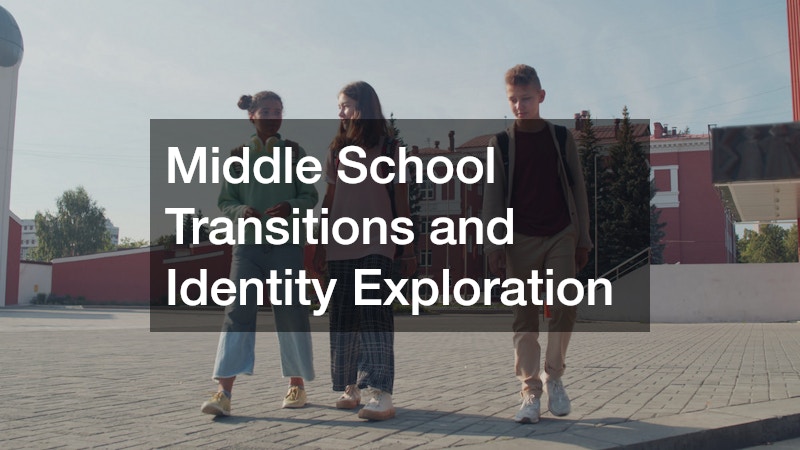
The transition into middle school coincides with pre-adolescence, a period marked by rapid physical, emotional, and social changes. During these middle years, students begin to move beyond concrete thinking into abstract concepts. They seek greater independence from their parents, place higher value on peer relationships, and begin formulating their unique identity and personal interests.
Educators and parents must adjust their support systems during this stage, shifting from direct oversight to guided autonomy. Middle schoolers need room to make choices and experience natural consequences within safe boundaries. Providing exposure to specialized academic environments, such as rigorous preparatory schools, can challenge motivated students with advanced coursework, study strategies, and early exposure to specialized academic disciplines.
Supporting Executive Function and Time Management
- Teach students how to use physical or digital planners to track long-term assignments, exam dates, and extracurricular commitments.
- Break large, overwhelming projects down into smaller, manageable tasks with clear intermediate deadlines.
- Help adolescents establish a consistent evening routine that includes organizing school materials for the next day.
- Encourage active note-taking strategies, such as the Cornell method or mind-mapping, to improve information retention.
Building Discipline Through Physical Training
Middle school is often a period of intense emotion and shifting physical identity. Channeling pre-adolescent energy into structured athletic disciplines builds emotional control, perseverance, and respect for physical health. Signing up for a jiu-jitsu class gives students a safe, controlled environment to practice self-defense, develop body awareness, and build mental fortitude. Martial arts emphasize humility, continuous self-improvement, and respect, offering adolescents an empowering physical outlet away from academic and social pressures.
High School Mastery and Future Readiness
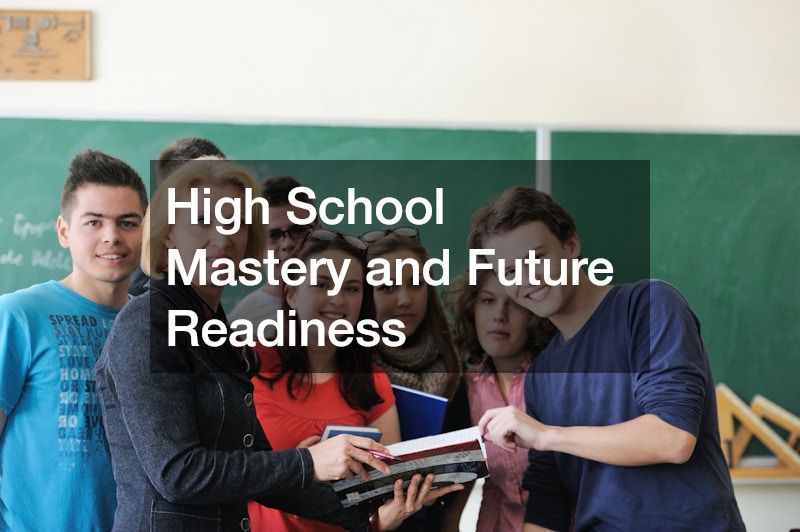
High school represents the culmination of basic education and the launchpad into adulthood, higher learning, or vocational career paths. During these four years, students tackle advanced subjects, refine their analytical abilities, and assume significant responsibility for their educational trajectories. High school curricula demand synthesis, evaluation, and original thinking across literature, advanced mathematics, social sciences, and laboratory sciences.
Preparing high schoolers for post-secondary life means cultivating independence, ethical reasoning, and critical decision-making. Parents and educators transition into advisory roles, providing counsel while allowing teens to take ownership of their successes and setbacks. High school students benefit from exploring diverse career possibilities, participating in community service, and developing real-world practical skills that extend far beyond classroom walls.
Preparing for Post-Secondary Life
- Guide teenagers through college applications, trade school prerequisites, or vocational training options well in advance of senior year.
- Provide practical financial literacy education, including budgeting, understanding credit, saving, and managing a personal checking account.
- Discuss current global events regularly at home to encourage critical analysis of media, bias, and diverse viewpoints.
- Support career exploration through job shadowing, informational interviews, and internship opportunities in fields of interest.
Developing Responsibility and Independence Behind the Wheel
A major milestone of the high school years is gaining physical mobility and legal independence through operating a motor vehicle. Learning to drive requires a high degree of spatial judgment, risk assessment, and legal responsibility. Investing in professional driving lessons ensures that teenager drivers receive comprehensive safety instruction, hazard perception training, and behind-the-wheel experience from certified instructors. Learning defensive driving habits early protects young adults and instills a sense of accountability toward their community.
Extracurricular Enrichment and Life Skills Beyond the Classroom
While core academic subjects build intellectual framework, extracurricular activities develop character, social adaptability, and lifelong passions. Participation in sports, arts, technical hobbies, and community programs teaches students how to collaborate, manage stress, and balance multiple priorities. A truly complete education blends formal academic instruction with diverse experiential activities.
Parents should encourage children to sample different activities across their developmental years without imposing undue pressure to excel in every field. The objective of extracurricular enrichment is discovery, personal enjoyment, and skill building. Whether a child is drawn to athletic fields, artistic studios, technical laboratories, or musical spaces, these experiences build well-rounded individuals who possess resilience and diverse interests.
Balancing Screen Time with Interactive Social Spaces
In an increasingly digital world, managing recreational technology is essential for healthy development. While computer literacy is vital, excessive isolated screen usage can hinder social intelligence and physical health. Encouraging visits to a local gaming lounge allows teens to enjoy interactive entertainment in a social, supervised community environment where they can collaborate face-to-face with peers rather than isolating in their bedrooms.
Musical Training and Cognitive Development
Learning to play a musical instrument is one of the most effective ways to enhance cognitive function, memory, and auditory processing. Music education engages both hemispheres of the brain simultaneously, strengthening connections that aid in mathematical reasoning, linguistic ability, and spatial cognition.
- Visit a community music store to allow your child to explore different instruments, test sounds, and find what naturally excites them.
- Schedule consistent, short daily practice sessions rather than long, sporadic weekend practice blocks.
- Attend live musical performances and community concerts together to inspire creative ambition and musical appreciation.
- Encourage ensemble participation, such as school bands or local choirs, to teach teamwork, harmony, and listening skills.
Fostering Life Skills and Practical Wisdom
- Involve children and teens in home maintenance, cooking, and mechanical repairs to build practical problem-solving skills.
- Model ethical behavior, empathy, and active listening in family interactions to teach strong interpersonal skills.
- Encourage seasonal or part-time employment during high school to teach work ethic, time management, and professional communication.
- Teach stress management techniques, including mindfulness, physical exercise, and adequate sleep hygiene, to handle academic pressures.
The Role of Mentorship and Family Engagement
Throughout every stage of education, the involvement of supportive adults remains the single most consistent predictor of a student’s success and well-being. Family engagement should evolve over time, moving from direct supervision in early childhood to active partnership in primary school, and finally to supportive mentorship in adolescence.
Maintaining open lines of communication between home and school ensures that academic struggles or emotional distress are identified and addressed early. Parents who demonstrate a personal commitment to lifelong learning set a powerful example for their children. By reading regularly, pursuing personal hobbies, asking thoughtful questions, and approaching mistakes as learning opportunities, adults model the exact behaviors and attitudes required for continuous personal growth.
Furthermore, mentorship extending beyond the immediate family provides young people with additional perspective and guidance. Teachers, coaches, athletic instructors, artistic mentors, and community leaders offer valuable insights, encouragement, and accountability. A robust support network gives students multiple trusted sources of wisdom as they navigate the complex academic and personal choices of their school years.
Strengthening Home-School Communication Pipelines
- Schedule regular check-ins with teachers to discuss progress before formal progress reports arrive.
- Share relevant insights about your child’s home routine and emotional well-being to help teachers tailor their support.
- Approach challenges collaboratively with school staff to find solution-oriented strategies for classroom performance.
Celebrating Incremental Growth and Milestones
- Praise specific effort, persistence, and problem-solving strategies rather than static intelligence or test marks.
- Create household traditions to mark the completion of academic milestones, major projects, or school years.
- Encourage self-reflection by asking students what achievements they feel most proud of and why.
Educating a child is a long, rewarding journey that requires patience, adaptability, and unwavering support. By honoring the distinct characteristics of early childhood, primary school, middle school, and high school, parents and educators can tailor their guidance to meet students right where they are developmentally. Balancing academic rigor with physical health, creative outlets, practical skills, and emotional maturity ensures that children grow into confident, capable, and lifelong learners ready to contribute meaningfully to society.
To ensure maximum academic readiness and emotional stability, parent-teacher collaboration should be treated as an ongoing strategic alliance rather than a sporadic check-in. Initiating proactive communication early in the academic term helps establish clear expectations, allowing educators and caregivers to align their strategies regarding learning styles, study habits, and personal growth goals.
When adults maintain a unified front, students benefit from consistent boundaries, shared accountability, and structured support systems across both home and school environments. Celebrating incremental achievements—such as mastering a difficult concept, demonstrating persistent effort, or displaying kindness toward peers—reinforces intrinsic motivation and helps students build a resilient, growth-oriented mindset that serves them throughout life.