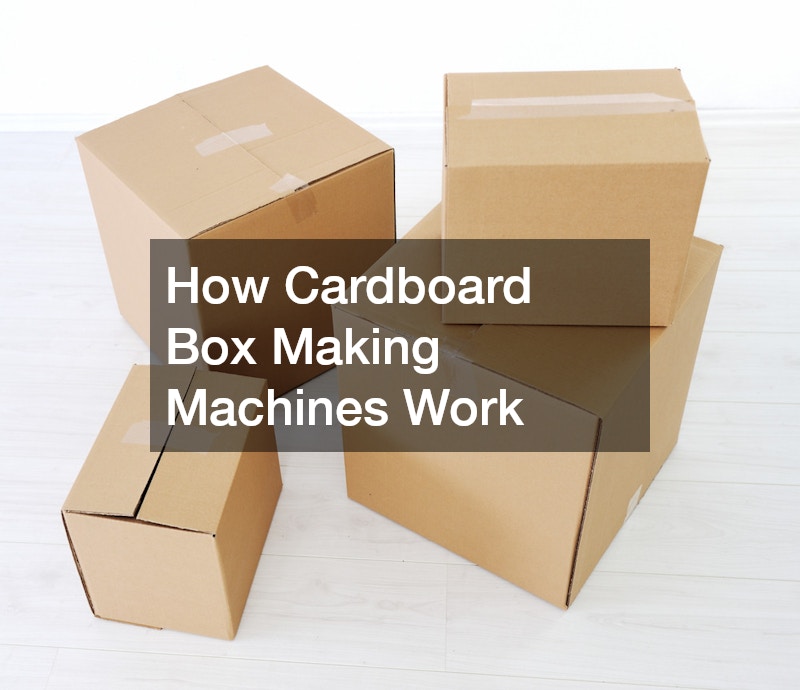
Cardboard box making machines have transformed the packaging industry by enhancing efficiency and precision. They meet high packaging demands across sectors by automating production, reducing manual labor, and increasing output.
Key Components of a Cardboard Box Making Machine
The Machine Frame
The machine frame ensures stability and precision in manufacturing, made from industrial-grade steel for durability. It accommodates mechanical stressors for continuous operation with minimal wear, maintaining cutting and folding accuracy.
The Cutting Unit
The cutting unit uses high-speed blades or lasers to shape cardboard sheets with precision, featuring adjustable parameters for different designs and consistent quality using computerized control.
The Creasing Unit
The creasing unit prepares cardboard for folding by creating lines that prevent tears, ensuring structural strength. Automated settings enhance productivity by adjusting during operation for precise assembly.
The Folding Unit
The folding unit transforms flat sheets into three-dimensional boxes, applying pressure along creased lines for symmetry and facilitating gluing. Programmable settings cater to various box designs, ensuring quality control.
The Gluing Unit
The gluing unit applies adhesives to join edges and secure the box structure, ensuring durability without compromising aesthetics. Innovations like hot melt adhesives quicken the process, and maintenance ensures performance quality.
Operation of Cardboard Box Making Machines
Machine Preparation
Machine preparation involves setting up components and calibrating systems for efficiency, aligning cutting tools, and ensuring quality control. This phase optimizes machines for accuracy, reducing downtime and improving quality.
Input Material Handling
Efficient handling systems transport cardboard sheets to production components, reducing damage and optimizing material use. Sensor-monitored material flow minimizes bottlenecks and increases operational efficiency.
Automation and Control Systems
Automation in cardboard box production provides control over components, using PLCs for consistent quality and adaptability to market demands. IoT capabilities enable remote monitoring, enhancing reliability.
Quality Control Measures
Quality control ensures boxes meet standards using automated inspection to detect defects. Continuous monitoring maintains high standards, safeguarding reputation and customer satisfaction.
Troubleshooting and Maintenance
Troubleshooting and maintenance ensure machine efficiency, with preventive schedules identifying issues early. Regular checks on moving parts and systems enhance machine longevity and decision-making.
Different Types of Cardboard Box Making Machines
Flexo Folder Gluer Machines
Flexo folder gluer machines integrate folding, gluing, and printing for high-volume production. They offer changeover systems for diverse designs, suitable for producing uniform boxes in large numbers.
Digital Printing Presses
Digital printing presses enable on-demand printing for customization with high-resolution capabilities, eliminating setup costs and time. They facilitate unique packaging solutions efficiently.
Rotary Die Cutters
Rotary die cutters provide precision cutting for complex designs using cylindrical dies. These high-speed machines utilize CAD for rapid production and waste reduction.
Platen Die Cutters
Platen die cutters use a flatbed design for precise cutting of thicker stocks, suitable for custom packaging. Quick tool changes facilitate diverse runs, favored for their precision and strength.
Folder Gluer Machines
Folder gluer machines create complex box structures with automated folding and gluing. Customizable settings enhance production efficiency and reduce labor, ideal for various box types.
Recent Innovations in Cardboard Box Making Machines
Sustainable Manufacturing
Innovations focus on minimizing waste and energy consumption, aligning with sustainability goals. Utilizing recycled and biodegradable materials promotes eco-friendly packaging.
Integration of Smart Technology
Smart technology enhances efficiency with IoT for monitoring and maintenance. Real-time adjustments improve production precision and allow remote management.
Modular Machine Design
Modular design offers flexibility by allowing component upgrades without disrupting systems. This approach meets evolving packaging needs, supporting cost-effective scaling.
High-Speed Production Advances
Innovations increase production speed without compromising quality. Advanced mechanics achieve rapid operations, essential for meeting demands while ensuring quality control.
Enhanced Customization Options
Machines offer customized packaging solutions with flexible manufacturing processes. Automation ensures consistent quality, supporting competitive advantage in dynamic markets.
Future Trends for Cardboard Box Making Machines
Further Automation
Future trends include more automation, reducing manual oversight and costs while enabling 24/7 production. Intelligent machines will enhance efficiencies in packaging.
Emphasis on Sustainability
The industry increasingly focuses on sustainable practices with energy-efficient production and recycled materials. Biodegradable options will further reduce ecological impact.
Use of Advanced Materials
Advanced materials will enhance cardboard functionality and durability, offering benefits for a wider array of industries and improving design and utility.
Global Market Expansion
Global market expansion provides opportunities as machine technology enhances distribution and production efficiency. Localized setups meet increasing international packaging demands.
Collaborative Robotics
Collaborative robots enhance productivity and accuracy, working alongside humans. Their flexibility in programming supports diverse production needs while maintaining quality.
Cardboard box making machines are vital to the packaging industry’s efficiency and innovation. They incorporate advanced technology for modern production challenges. Trends like smart technology integration and sustainable materials indicate a promising future, balancing speed and customization for eco-friendly solutions. Anticipated advancements in automation and global reach ensure these machines remain essential.