
Children learn important lessons both inside and outside the classroom. While academic subjects provide a foundation for knowledge, extracurricular activities give kids opportunities to explore interests, develop practical abilities, and discover strengths they may not realize they have. With the right mix of structure, freedom, and encouragement, extracurriculars can become an important part of a child’s development.
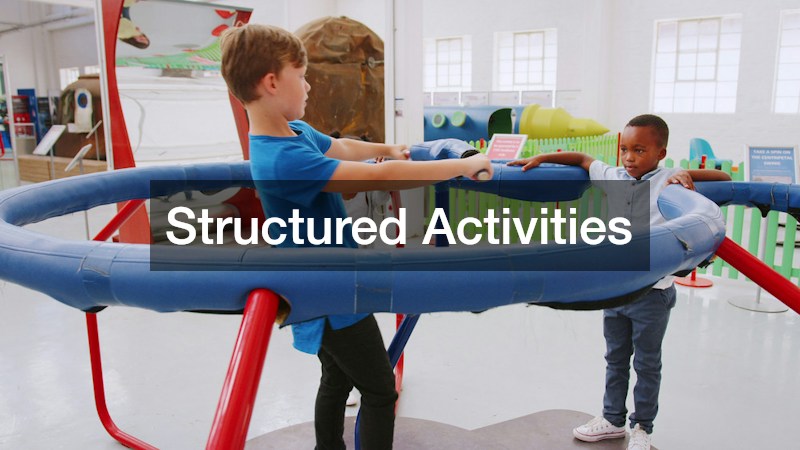
Build Early Learning Skills Through Structured Activities
Early childhood is an important period for developing communication, coordination, curiosity, and social awareness. Activities designed for young children can introduce these skills through play, storytelling, movement, and collaborative experiences. Instead of relying entirely on formal instruction, engaging programs allow children to practice new abilities in ways that feel natural and enjoyable. They may learn to follow simple directions, recognize patterns, take turns, and express their needs while participating in activities with other children.
Early learning environments can also help children become more comfortable with routines outside the home. Group activities introduce opportunities to listen to adults, interact with peers, share materials, and transition between tasks. These experiences can be useful when children eventually enter more structured educational settings because they have already practiced some of the behaviors involved in group learning.
Families exploring early education options may consider a private preschool that offers age-appropriate enrichment alongside foundational learning. Programs may incorporate art, music, movement, imaginative play, and outdoor exploration to encourage development across several areas. Parents should ask about teaching approaches, class sizes, staff qualifications, safety procedures, and how the program accommodates different learning needs. A supportive environment should encourage curiosity without placing unnecessary pressure on children to master skills before they are developmentally ready.
Develop Discipline and Confidence Through Martial Arts
Martial arts can provide children with a structured environment for practicing movement, focus, self-control, and persistence. Students typically learn techniques gradually, repeating movements until they become more familiar and coordinated. Progress may involve mastering a stance, improving balance, remembering a sequence, or demonstrating greater control during practice. These small achievements can help children recognize the connection between consistent effort and improvement.
Classes can also introduce important social lessons. Children learn to follow instructions, respect instructors and classmates, wait for their turns, and practice safely with others. Many programs emphasize respect, responsibility, and perseverance alongside physical skills. These principles can help children understand that success involves more than winning or advancing to the next level.
When evaluating karate classes for kids, parents should look for qualified instructors who prioritize safety, age-appropriate instruction, and positive reinforcement. A welcoming class should accommodate different experience levels and physical abilities rather than expecting every child to progress at the same pace. Families can ask about class size, protective equipment, instructor credentials, and how the program handles disagreements or challenging behavior.
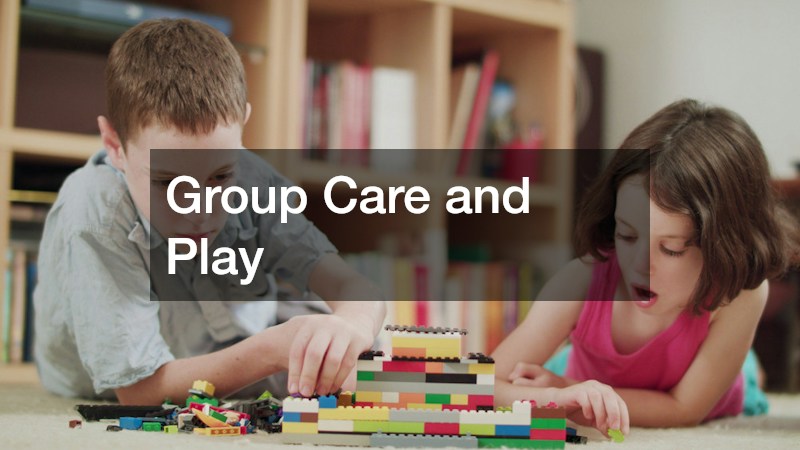
Strengthen Social Skills Through Group Care and Play
Social development involves learning how to communicate, cooperate, manage disagreements, and understand other people’s perspectives. Children develop these abilities through everyday interactions, especially when they have opportunities to play with peers in supportive settings. Group games, shared projects, pretend play, and collaborative activities encourage children to express ideas, negotiate roles, and recognize that other people may have different preferences.
These experiences can also teach emotional regulation. A child might need to wait for a favorite toy, cope with losing a game, or find a way to join an activity already in progress. With appropriate guidance, children can practice using words to express frustration, asking for help, and finding solutions that respect others. These are important skills that may support friendships and classroom participation as children grow.
For families balancing work, school, and other responsibilities, dependable childcare can offer more than supervision when the program includes thoughtful opportunities for play and interaction. Parents can ask how children spend their day, whether activities vary by age, how staff support social development, and how conflicts are handled. A good program provides safe, inclusive opportunities for children to explore interests while developing relationships at their own pace.
Improve Coordination and Body Awareness Through Gymnastics
Physical activities help children build strength, flexibility, balance, and body awareness. Gymnastics introduces movement skills through carefully structured exercises that may include balancing, jumping, rolling, climbing, and age-appropriate tumbling. These activities encourage children to understand how their bodies move through space while learning to control their movements and follow safety instructions.
Developing coordination takes practice, and gymnastics provides opportunities to work toward achievable goals. A child may initially struggle to balance on a beam or coordinate a sequence of movements, then gradually become more comfortable with repetition and coaching. Learning to manage these challenges can reinforce patience and persistence. Children can also develop spatial awareness as they learn where to place their hands and feet and how to move safely around others.
When comparing gymnastics classes, families should look for programs with appropriately trained coaches, suitable equipment, age-specific instruction, and clear safety practices. Beginners should have time to learn foundational movements before attempting more advanced skills. Parents should also ask how coaches modify activities for different abilities and how they respond when a child feels nervous about trying something unfamiliar.
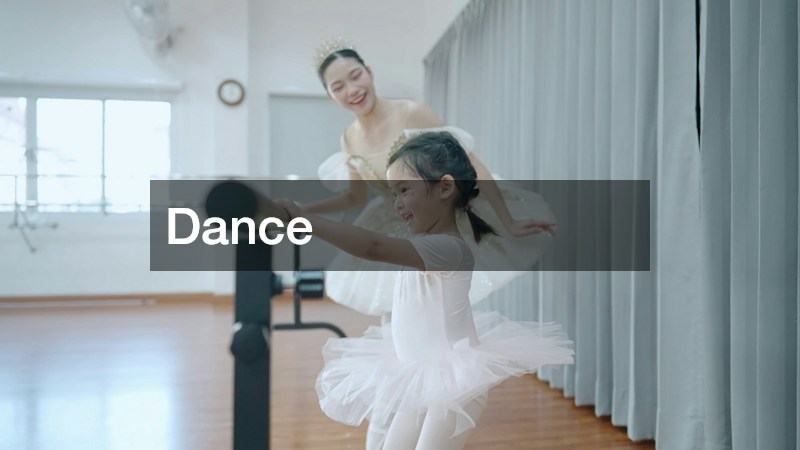
Explore Creativity and Expression Through Dance
Dance combines physical movement with creativity, rhythm, memory, and emotional expression. Children may explore different musical styles, learn short combinations of steps, and discover how movement can communicate a feeling or tell a story. These experiences encourage them to listen carefully, remember sequences, coordinate their movements, and interpret music in different ways.
Dance can also create opportunities for collaboration. In group routines, students practice timing, spacing, and awareness of their classmates. They learn that each person contributes to the overall performance and that cooperation matters when working toward a shared goal. Performing for others, when a child is comfortable doing so, may also provide opportunities to build confidence and manage nervousness in a supportive environment.
Families considering dance classes can explore styles such as ballet, jazz, tap, hip-hop, or creative movement. The best starting point depends on the child’s interests, age, and comfort level. Parents should ask about instructor experience, class expectations, appropriate attire, performance commitments, and whether beginners can participate without prior training.
Learn Teamwork and Resilience Through Hockey
Team sports provide children with opportunities to practice cooperation, communication, decision-making, and persistence. Hockey adds the challenge of coordinating movement on the ice while tracking the puck, responding to teammates, and following the rules of play. Beginners gradually learn foundational skills such as skating, stopping, turning, and maintaining balance before combining those movements with more complex techniques.
Participation can teach children how individual actions contribute to a shared objective. Players need to communicate, recognize teammates’ positions, and adapt when a game changes direction. They may also learn how to respond to mistakes, accept coaching, and remain engaged after a disappointing play. These experiences can help children develop resilience when adults emphasize learning and cooperation rather than treating every game as a test of ability.
For families interested in hockey lessons, safety and age-appropriate instruction should be major considerations. Ask about instructor qualifications, protective equipment, skating prerequisites, supervision, and the program’s approach to beginner development. Children should use properly fitted equipment and follow rink safety rules. Parents should also confirm that the level of physical contact and intensity matches the child’s experience and readiness.
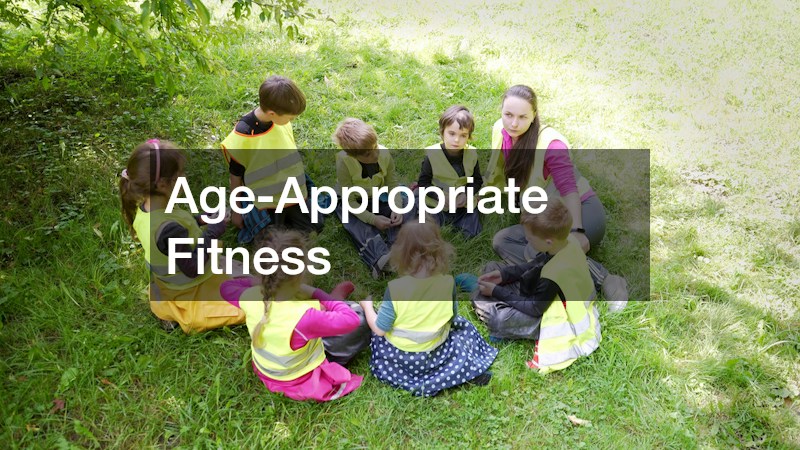
Build Healthy Habits Through Age-Appropriate Fitness
Regular movement supports children’s physical health and provides opportunities to develop strength, endurance, balance, and coordination. It can also help them learn how exercise fits into a healthy routine. The best activities are those that are appropriate for a child’s age and ability, enjoyable enough to sustain interest, and flexible enough to accommodate rest and recovery.
Children do not necessarily need formal exercise programs to become active. Walking, riding bicycles, swimming, playing tag, hiking, and participating in recreational sports can all encourage movement. Variety helps children discover which activities they enjoy while developing different physical abilities. It can also reduce boredom and make physical activity a natural part of family life.
For older children and teenagers who want more structured exercise, a suitable family gym membership may provide access to equipment, classes, or supervised training. Parents should review age restrictions, supervision policies, instructor qualifications, and the facility’s approach to safe exercise. Young people need instruction on appropriate technique and should avoid lifting excessive weights or following intense training routines without suitable guidance.
Expand Learning Through Family Outdoor Adventures
Extracurricular learning does not have to happen in a classroom or organized program. Family outings and outdoor adventures can introduce children to new environments, practical responsibilities, and opportunities to solve problems together. Camping, hiking, fishing, boating, and exploring nature can encourage curiosity while giving children a chance to practice observation, planning, and adaptability.
A camping trip, for example, can introduce simple lessons about weather, wildlife, maps, and environmental responsibility. Children may help pack supplies, organize sleeping areas, prepare appropriate snacks, or identify items needed for changing conditions. These tasks teach planning and responsibility in a real-world setting. Families can also encourage children to keep a nature journal, sketch plants, observe birds, or record questions to investigate later.
For families traveling with a recreational vehicle, checking that the vehicle is ready for the trip is an important part of planning. Arranging RV service before departure can help identify maintenance concerns involving tires, brakes, lights, batteries, and other systems. Parents can use the preparation process to teach older children why safety checks, equipment care, and responsible travel matter. Children should receive tasks that suit their age and should never be asked to handle dangerous equipment.

Encourage Independence Through Travel and Nature Exploration
Travel can help children become more adaptable by exposing them to unfamiliar places, routines, and perspectives. Even a short trip can involve new foods, different landscapes, conversations with people from other communities, and opportunities to make small decisions. These experiences may encourage children to become more observant, flexible, and comfortable navigating change.
Camping is especially useful for introducing age-appropriate independence. Children can help organize their belongings, follow a packing checklist, assist with simple meal preparation under adult supervision, or participate in choosing a walking route. Parents can gradually give children more responsibility as they demonstrate readiness. These small tasks build practical skills while helping children understand how preparation contributes to a successful outing.
When researching top rated RV campgrounds, families can compare locations based on safety, available facilities, accessible activities, nearby trails, and the ages of the children attending. A campground with nature programs, playgrounds, or easy walking paths may provide more opportunities for engagement than a location chosen solely for its scenery. Check seasonal conditions, reservation rules, and local regulations before traveling.
Discover Practical Skills Through Water-Based Recreation
Water-based activities can introduce children to new forms of movement, environmental awareness, and responsibility. Swimming, supervised paddling, fishing, and boating each offer different opportunities to develop coordination and practical knowledge. Children may learn about weather, aquatic ecosystems, navigation, and the importance of following safety procedures near water.
Boating can also create opportunities for family teamwork. Children may help prepare appropriate supplies, identify safety equipment, or learn basic rules about protecting natural waterways. Their responsibilities should always match their age and abilities, and an adult must remain responsible for supervision and safe operation. Properly fitted life jackets and adherence to local boating requirements are essential, even for children who are confident swimmers.
Families exploring boating as a recreational interest may encounter listings for a used boat sale when considering equipment for future outings. Before purchasing a boat, adults should carefully evaluate the total cost of ownership, including storage, maintenance, insurance, fuel, safety equipment, and any required licensing or registration. A professional inspection may help identify mechanical or structural concerns. Renting or joining supervised boating activities can also be a practical way to determine whether the family enjoys the experience before making a significant investment.
The most effective extracurricular plan is one that leaves room for both growth and enjoyment. By offering a thoughtful range of experiences, listening to children’s preferences, and protecting time for rest and unstructured play, families can help children build confidence, independence, creativity, and resilience. These abilities extend beyond any individual class or sport, providing a foundation for learning, relationships, and personal growth throughout life.